
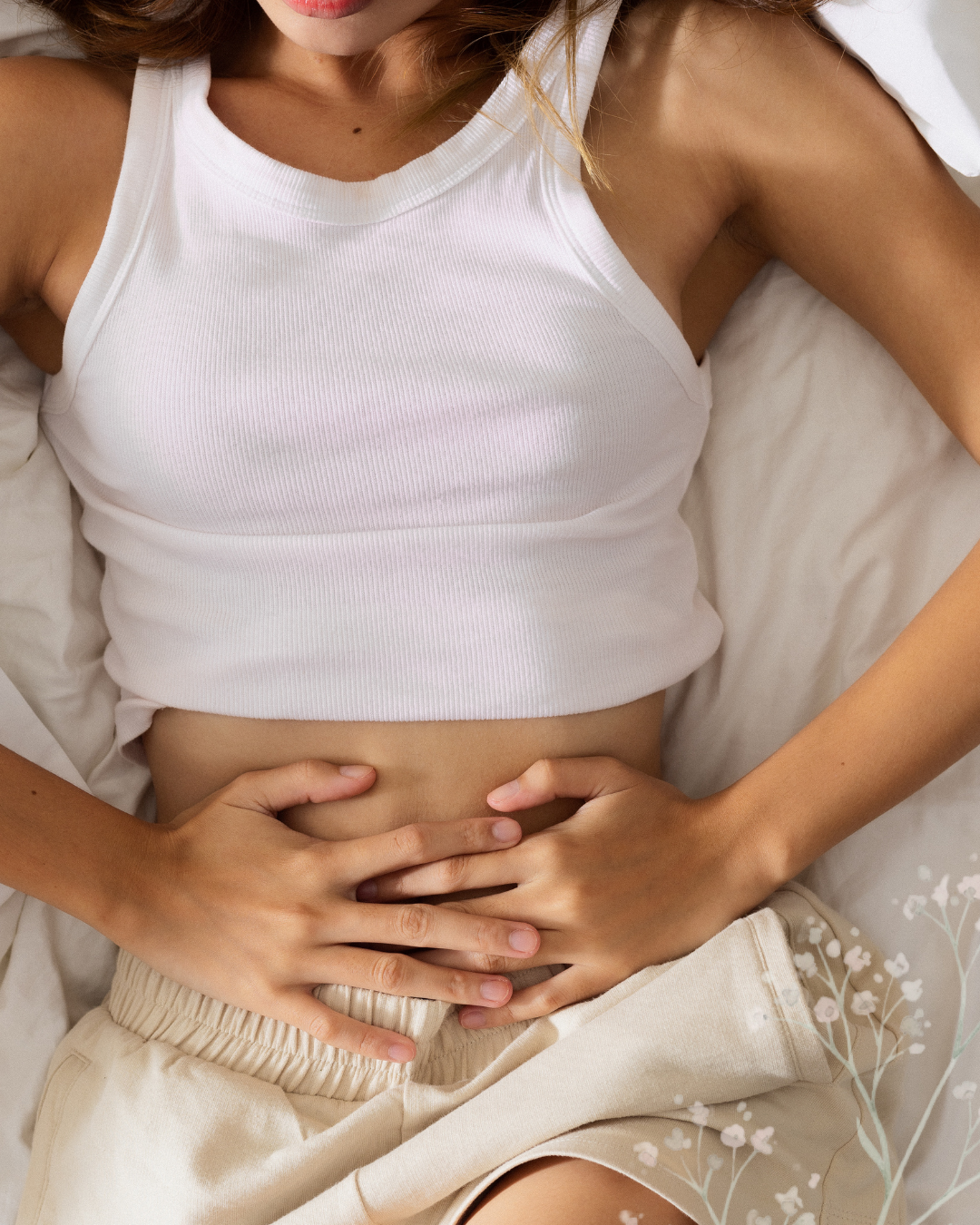
Understanding endometriosis through the lens of Chinese medicine and how acupuncture may offer complementary support.
Endometriosis is more than just painful periods. For many women, it can mean chronic pelvic pain, digestive discomfort, fatigue, and symptoms that interfere with everyday life.
While conventional medicine focuses on diagnosing and managing the condition, Traditional Chinese Medicine (TCM) offers an additional perspective—one that considers the individual's symptoms, menstrual cycle, and overall well-being.
But how exactly does Chinese medicine approach endometriosis, and where does acupuncture fit in?
What Is Endometriosis?
Endometriosis is a chronic inflammatory condition in which tissue similar to the lining of the uterus (endometrium) grows outside the uterus.
These growths can develop around the ovaries, fallopian tubes, and other pelvic structures, contributing to inflammation, scar tissue, and pain.
Common symptoms include:
Painful periods: Menstrual cramps that may interfere with daily activities.
Chronic pelvic pain: Discomfort that may occur throughout the menstrual cycle.
Digestive symptoms: Bloating, constipation, diarrhea, or pain during bowel movements.
Pain during intercourse: Particularly with deep penetration.
Fatigue: Persistent tiredness that can affect quality of life.
Fertility challenges: Some women with endometriosis experience difficulty conceiving.
It's important to recognize that the severity of pain doesn't always reflect the extent of the condition. Some women experience significant symptoms, while others have few or none.
Persistent or debilitating menstrual pain deserves proper medical evaluation.
How Does Traditional Chinese Medicine View Endometriosis?
In Traditional Chinese Medicine, endometriosis is not understood as one single pattern of imbalance.
Instead, practitioners evaluate the nature of the pain, menstrual characteristics, digestion, sleep, energy levels, and other symptoms to identify traditional patterns that may guide treatment.
Three commonly discussed patterns include:
1. Blood Stasis
In TCM, Blood Stasis describes a traditional pattern associated with impaired movement of Blood.
Symptoms may include:
Sharp, fixed, or stabbing menstrual pain
Dark menstrual blood or clots
Pain concentrated in a particular area
Persistent pelvic discomfort
TCM treatment principles traditionally focus on promoting the movement of Qi and Blood.
2. Qi Stagnation
Qi is a foundational concept in Chinese medicine, traditionally describing the body's functional activity and movement.
Qi Stagnation is often associated with symptoms that fluctuate or worsen during periods of emotional tension or stress.
Possible characteristics include:
Abdominal bloating or distention
Menstrual discomfort that changes in intensity
Breast tenderness before menstruation
Increased muscle tension or irritability
In TCM, treatment may focus on encouraging the smooth flow of Qi and addressing accompanying symptoms.
3. Cold in the Uterus
Cold in the Uterus is another traditional pattern sometimes considered when evaluating menstrual pain.
Common characteristics may include:
Cramping that improves with warmth
A sensation of cold in the lower abdomen
Menstrual discomfort that worsens with cold exposure
Depending on the individual's presentation, a practitioner may incorporate warming techniques such as moxibustion.
An important distinction: These patterns are part of Traditional Chinese Medicine's historical framework. They are not established biomedical causes of endometriosis, nor can they diagnose or determine the severity of the disease.
Why Does Your Acupuncturist Ask About More Than Your Period?
One of the defining features of TCM is its individualized approach.
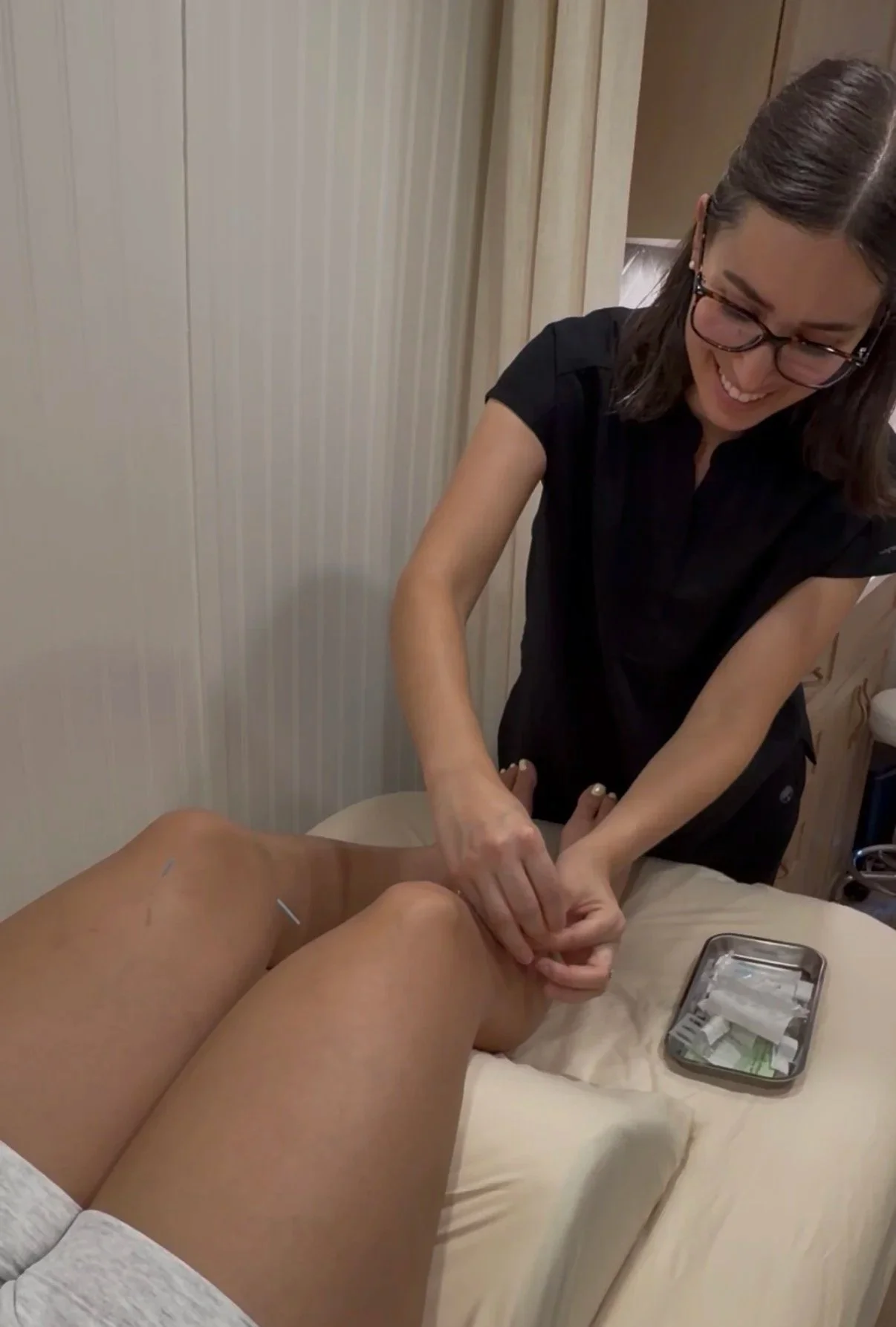
During an acupuncture consultation, we may discuss much more than the location or intensity of your pelvic pain.
For example, we may explore:
Your menstrual cycle: Regularity, flow, duration, and patterns of discomfort.
Digestion: Bloating, bowel habits, and digestive changes throughout your cycle.
Sleep and energy: Fatigue, sleep quality, and changes in energy levels.
Stress: How emotional and physical stress may influence your symptoms.
Overall health: Medical history, current treatments, and other concerns.
Two women with endometriosis may share the same diagnosis but experience very different symptoms.
This is why acupuncture treatment plans are individualized rather than based on a single diagnosis alone.
How Can Acupuncture Help With Endometriosis?
Acupuncture offers a complementary approach to managing endometriosis-related symptoms by supporting the body's natural pain-regulating mechanisms and promoting overall well-being.
Research suggests that acupuncture may help influence how the nervous system processes pain. Studies have also explored its potential anti-inflammatory effects and its role in regulating the body's response to inflammation.
Menstrual and Pelvic Pain
Research suggests that acupuncture may help reduce endometriosis-related pelvic pain and menstrual discomfort by influencing pain-processing pathways within the nervous system.
Stress and Relaxation
Living with chronic pain can take a toll on both physical and emotional well-being. Acupuncture may help promote relaxation, regulate the body's stress response, and ease some of the tension associated with persistent discomfort.
Inflammatory Response
Inflammation plays an important role in endometriosis and can contribute to pelvic pain and other symptoms. Research has explored acupuncture's potential to influence inflammatory signaling, although its effects on endometriosis-related inflammation in humans are still being studied.
Overall Quality of Life
By addressing pain, stress, and other accompanying symptoms, acupuncture may help support greater comfort and overall well-being.
Acupuncture can be incorporated alongside conventional gynecologic care as part of a personalized, comprehensive approach to managing endometriosis.
A Whole-Person Approach to Endometriosis Care
Endometriosis is a complex condition, and managing it often requires more than one approach.
Conventional treatment may include medication, hormonal therapies, surgery when appropriate, pelvic floor physical therapy, and other pain-management strategies.
Complementary therapies such as acupuncture may also be considered based on individual symptoms, preferences, and medical needs.
At Shen Point Acupuncture & Wellness, we approach care with the understanding that each person's experience is different.
Our goal is to provide thoughtful, individualized acupuncture care that considers your symptoms, menstrual health, and overall well-being while complementing your existing medical treatment.
Final Thoughts
Endometriosis is not simply a painful period, and severe menstrual pain should never be dismissed as normal.
Traditional Chinese Medicine offers a different framework for understanding symptom patterns, while acupuncture may provide an additional option for managing pain and supporting well-being.
The most important part of care is finding an approach that recognizes your individual experience and supports your health.
At Shen Point Acupuncture & Wellness, we offer personalized acupuncture care in our private mobile clinic, serving women throughout Ave Maria and Naples, Florida.
This article is for educational purposes and does not replace medical diagnosis or treatment. If you suspect endometriosis, consult a qualified healthcare professional for evaluation.